Guide · 1926.1053 / 1910.23
Keep your ladder steady: set it at 4:1 with rails three feet past the landing.
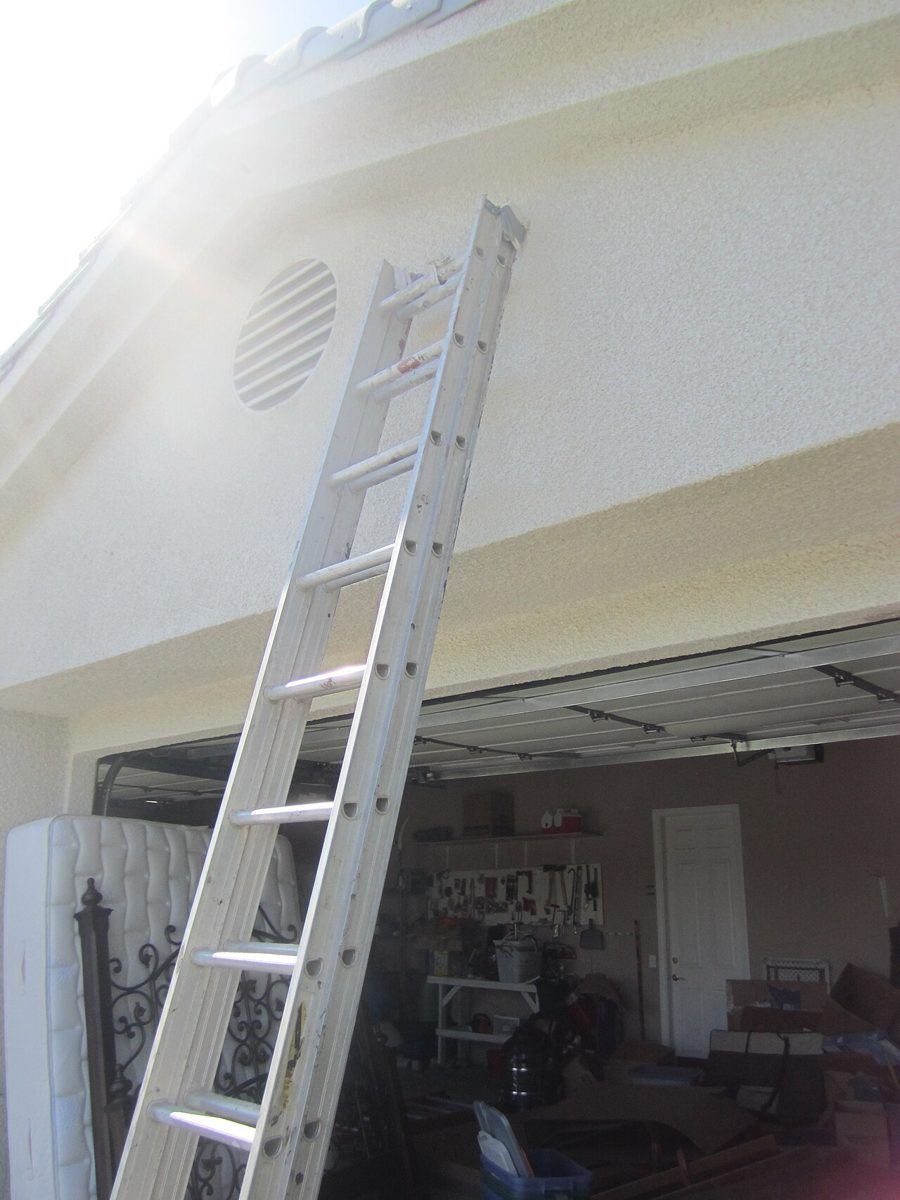
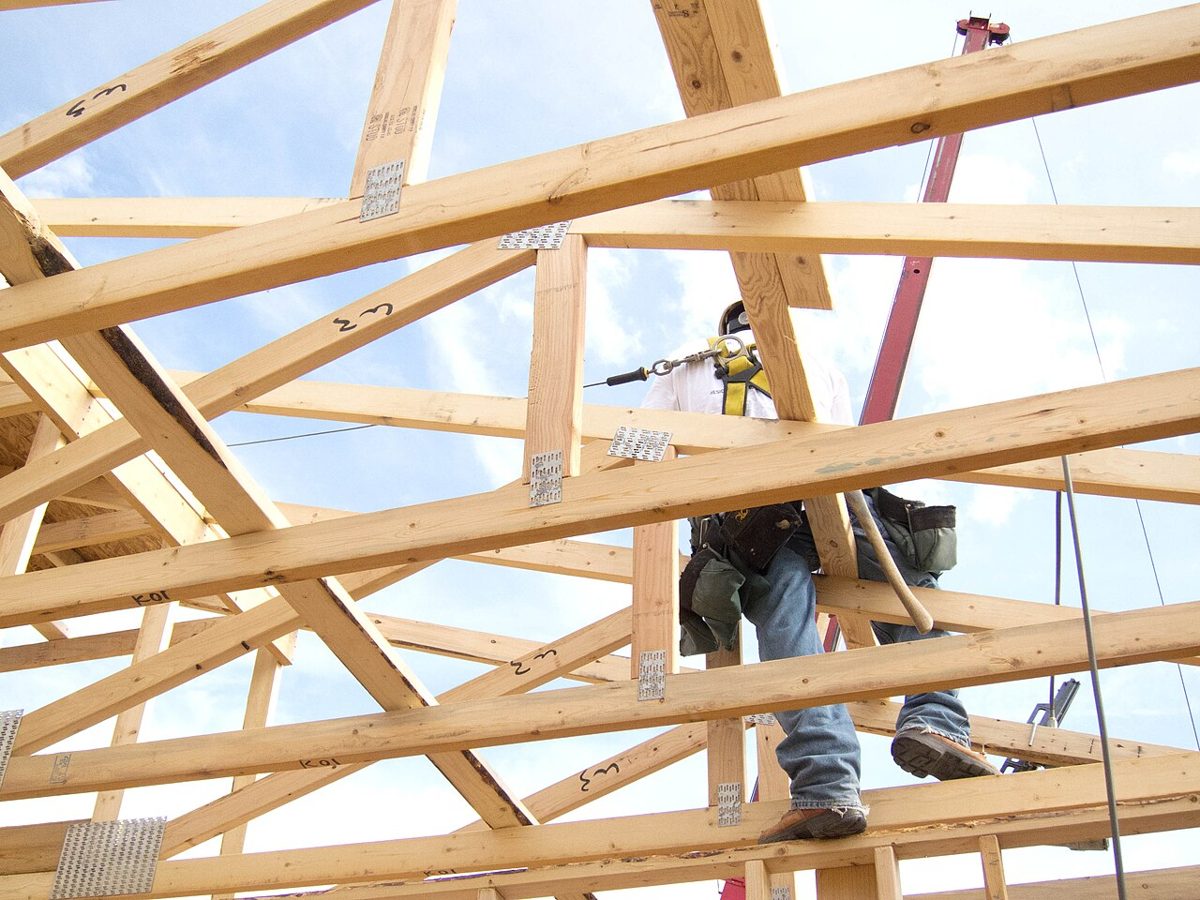
Most ladder falls have ordinary causes. The feet kick, the ladder is too short, someone stands on the top cap, or both hands are full of a tool. Construction portable ladders are 29 CFR 1926.1053. General industry ladders are 1910.23. The physics is the same.
If you cannot set it on a firm, level surface, at the right angle, with a way to hold on when you step off, pick a different access.
Keep the base from kicking with a 4:1 setup
| Ratio | 1 ft out from the wall for every 4 ft of working length to the top support. |
|---|---|
| Example | 20 ft working length: about 5 ft of standoff. |
| Too steep | The ladder tips over backward. |
| Too flat | The feet slide. |
| Measure | Working length, not the rail label. Overlap reduces height. |
| Base | Both feet set, both rails bearing, nothing stacked under one shoe. |
Step on and off safely with three feet of rail above the landing
- 1926.1053 and 1910.23 require side rails at least 3 ft (0.9 m) above the landing when the ladder provides access to a roof, mezzanine, or platform.
- Those rails are your handhold when you step on or off.
- Ladder too short: secure the top to a rigid support and provide a grabrail. Do both. A longer ladder is usually the better answer.
Stay upright on a stepladder by using it as designed
- Spread the legs fully and lock the spreader.
- Face the steps. Stay off the top cap and the top step.
- Never lean a folded stepladder against a wall and climb the back.
- Reach a landing with an extension or straight ladder, not a step stool on a drum.
- Never move, shift, or extend a ladder while someone is on it.
- Respect the duty rating: person plus tools plus material.
Hold on when a foot slips with three-point contact
Two feet and one hand, or two hands and one foot, on the ladder at all times. Carry tools on a belt or haul them with a line. A drill in one hand means you get one point of contact when the foot slips.
Face the ladder. Do not slide down the rails.
Catch a failing ladder before your weight hits it
| Check before each shift | Feet, spreaders, rungs, rails, locks. |
|---|---|
| Remove from service | Cracked rails, missing feet, oil on the rungs, a bent spreader. |
| Wood rails | No paint that hides damage. |
| Metal rungs | A surface you can feel through a work boot. |
| Placement | Out of doorways and traffic, or barricaded. Top and bottom clear. |
| Inspector | Construction: a competent person. In a plant, you are the last check before the first rung. |
Choose a platform when the work needs both hands
If you need both hands on the work for more than a moment, you probably need a scaffold, a lift, or a platform with guardrails. See fall protection. A ladder provides access; it makes a poor work platform.
Related: OSHA 10 construction covers ladders as an elective topic. It does not replace teaching your workers to set up the ladders they use.