OSHA 10 · Construction
Get through the construction gate with the 10-hour card, and know what it does not cover.
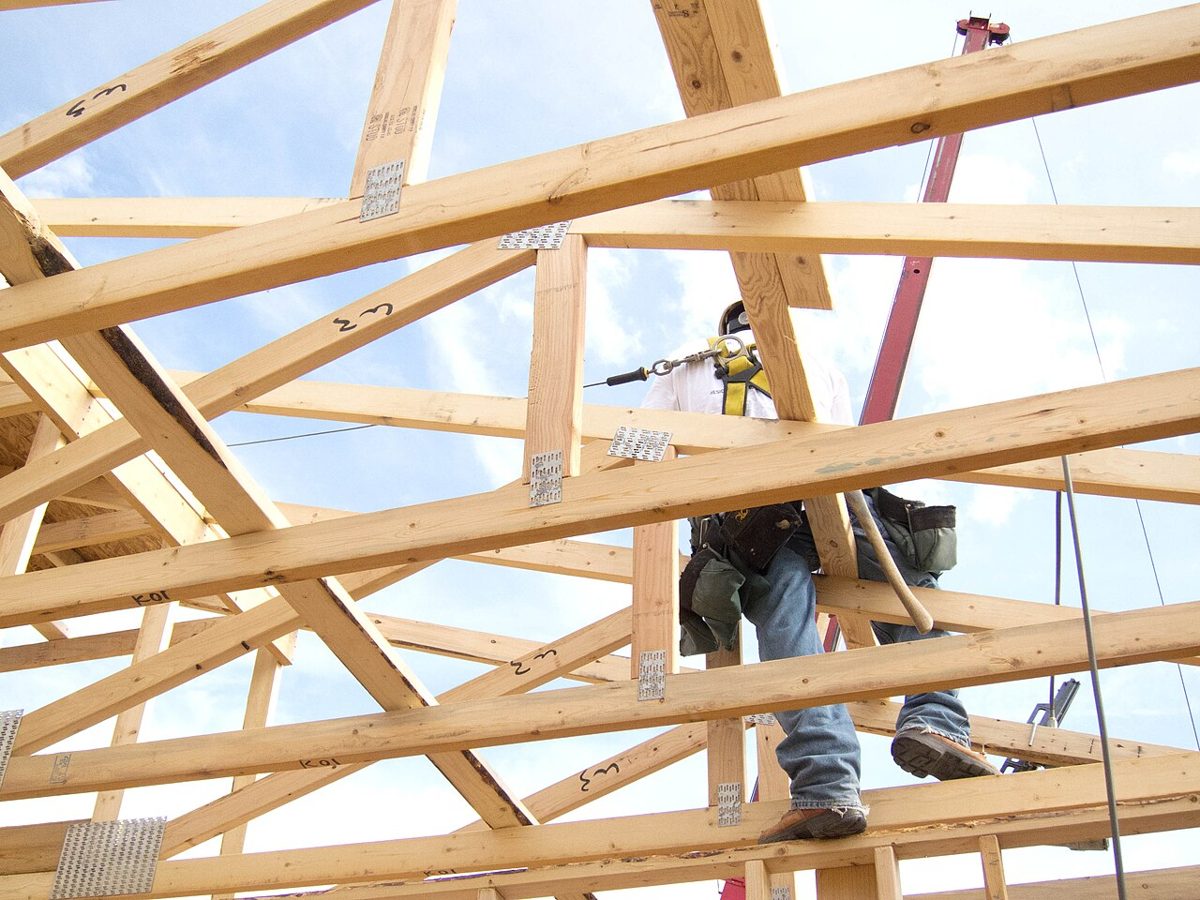
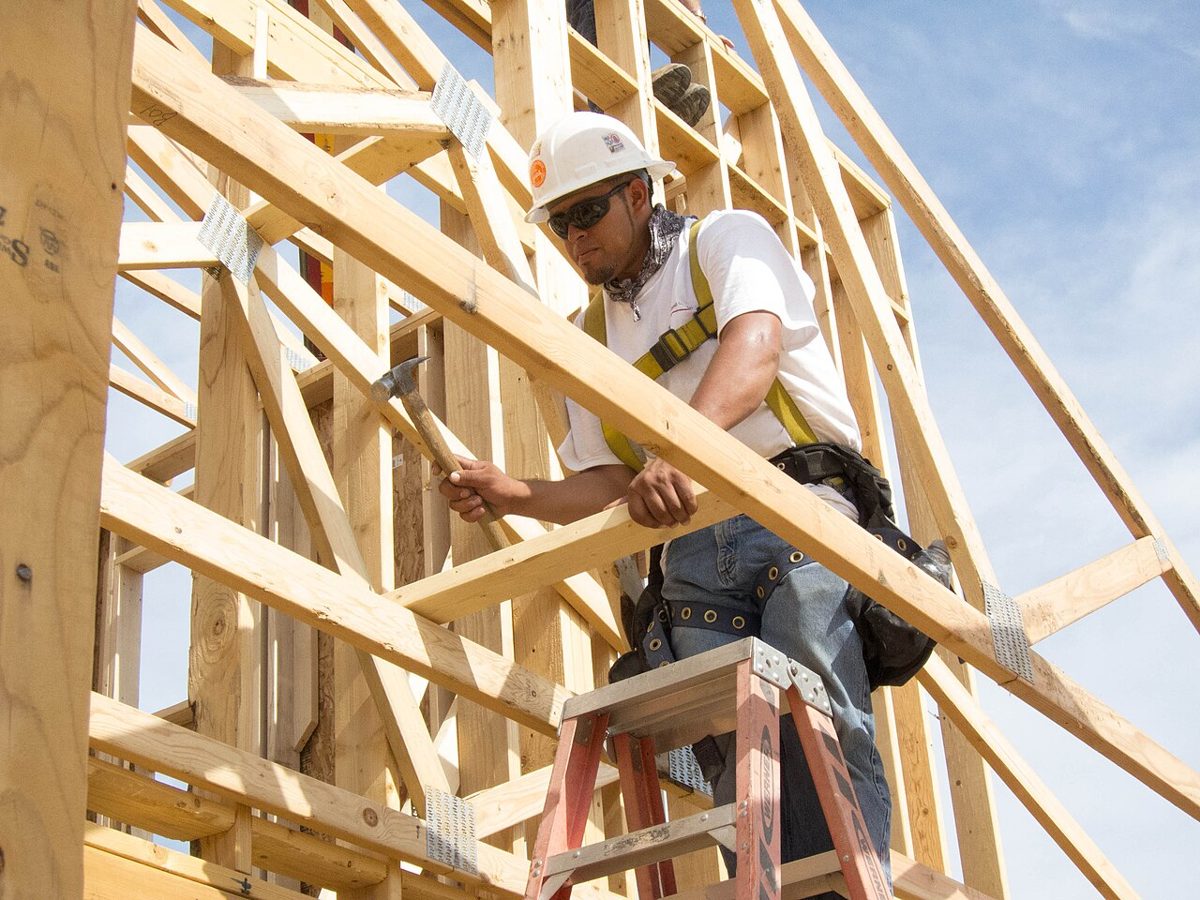
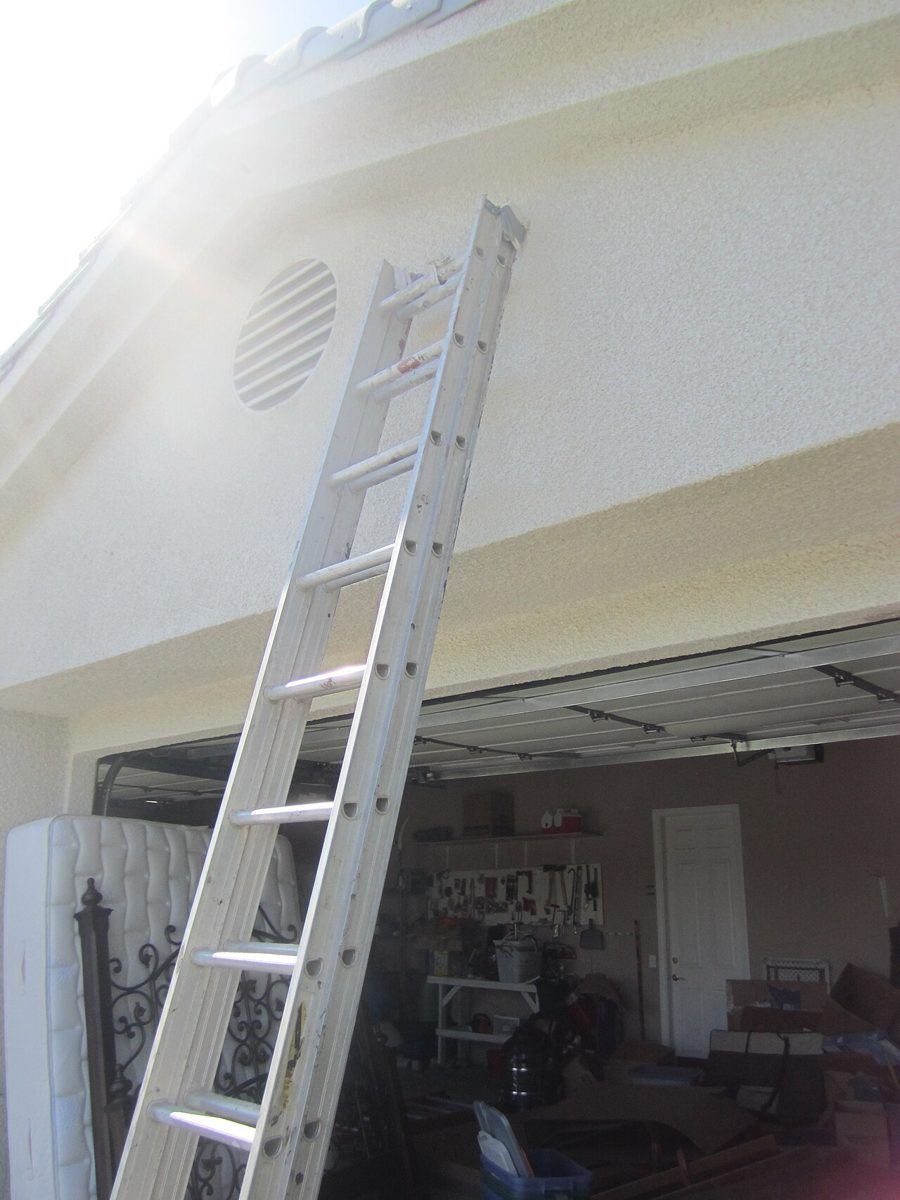
If you work construction in the United States, the 10-hour outreach card is the common way to show you sat through hazard-awareness training. It is not a certification from OSHA, not a competent-person card, and not a substitute for the site-specific training your employer still owes you.
You need the outreach training when your employer, a general contractor, or a state or local rule asks for the Department of Labor card before you step on site.
Find out whether your craft needs the construction card
- Crafts: laborers, carpenters, electricians, ironworkers, operators, painters, and most others on commercial and industrial jobs.
- Supervisors: foremen and superintendents get asked at the gate too.
- Why: many owners and GCs require the card for entry; some states and cities require it by law or contract.
- Next step: the 30-hour construction class for supervisors. Same program, more hours, still not a license.
Learn to spot the Focus Four hazards on any jobsite
| Block | Covers |
|---|---|
| Introduction to OSHA | Workers’ rights, employer duties, how to file a complaint. |
| Focus Four | Falls (the longest block), electrocution, struck-by, caught-in or -between. |
| PPE and health hazards | Silica, noise, chemical hazards, and similar. |
| Electives | Scaffolds, excavations, ladders, cranes, tools. |
Even if your job never involves a crane, the class teaches you to recognize when someone else is at risk of being struck by one.
Earn a valid card online over at least two days
Online OSHA 10 construction outreach is available from OSHA-authorized providers. Only those authorized online providers may run the self-paced (not live) version. A random slideshow with a printable “certificate” is not the program.
Outreach rules cap student contact time at 7.5 hours per calendar day, so a 10-hour class takes at least two days.
Authorized platforms also pace modules. You should expect identity checks, quizzes, and a clock you cannot skip by leaving a video running in another tab. If a vendor promises the DOL card after a two-hour sitting, choose a different provider.
When you finish with an authorized provider, that provider’s process is what gets you the Department of Labor outreach card. OSHA does not sell the course and does not pick a favorite school.
Avoid relying on the card for training it does not replace
- Not a competent-person credential under the construction standards.
- Not fall-protection training on the system you will wear.
- Not lockout training for a plant covered by 1910.147.
- Not proof that OSHA inspected your contractor.
Keep the card or electronic record where a superintendent can see it. Replace a lost card through the authorized provider, not with a friend’s screenshot.