Blog · Lockout-tagout · 29 CFR 1910.147
Remove a Personal Lockout Lock Only by the Written Procedure
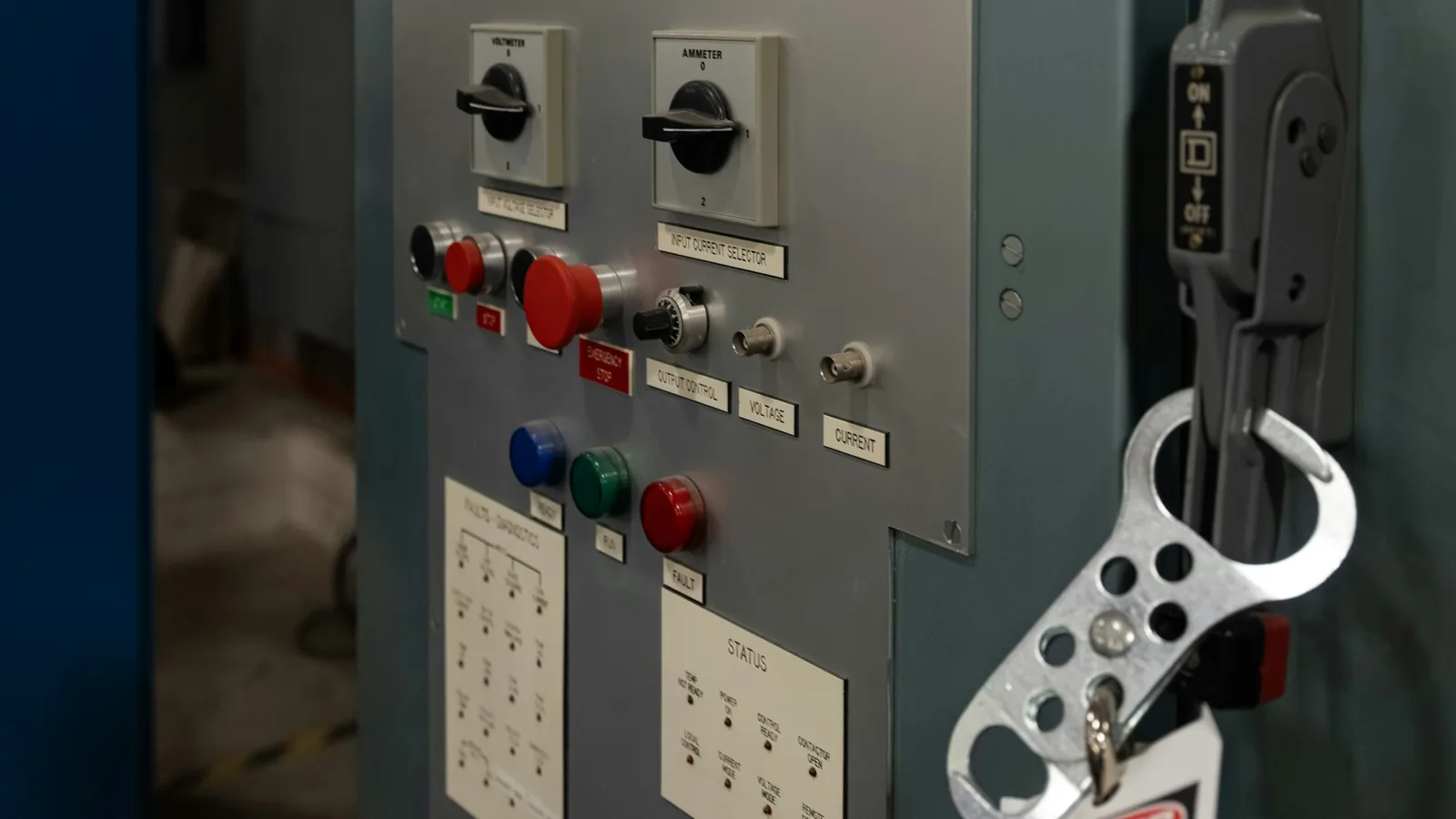
Who can remove personal locks? Normally, the employee who applied a personal lock removes it, under 29 CFR 1910.147(e)(3). If that employee is unavailable, the employer may remove it only under a specific, documented procedure. To make that rule work, equip each worker with personal locks and a key only that worker holds.
A personal lock gives the worker physical control over hazardous energy while they may be exposed. Removing it without accounting for the worker can lead to crushing, electrocution, amputation, or death. A personal lockout kit with keyed-different padlocks keeps each lock tied to one person.
Keep lock removal with the person who applied it.
OSHA's lockout/tagout standard, 29 CFR 1910.147, says each authorized employee must remove their own lockout or tagout device after completing their work. That is the normal rule. The lock belongs to the worker, and the worker removes it after they are clear of the machine, their tools are out, guards are restored as required, and everyone is clear.
OSHA does allow an employer to remove a personal lock when the authorized employee who applied it is not available. The decision does not belong to any supervisor by default. The employer must have a specific procedure and training for that situation.
At minimum, the procedure must ensure the employer verifies the authorized employee is not at the facility, makes all reasonable efforts to contact that employee, and ensures the employee knows the lock was removed before they resume work at that facility.
They are the controls that prevent a worker from walking back into a job thinking their lock is still protecting them.
Authorize removal through the written program.
A supervisor may be the person assigned by the employer to carry out the removal procedure. A maintenance manager, safety manager, or designated lead may fill that role too. It depends on the employer's written energy-control program.
But job title alone does not make the removal safe or compliant. A supervisor who says, "He's probably offsite, cut it," has defeated the purpose of lockout/tagout. The question is whether the employer can prove the worker is clear, cannot be exposed, and will be informed before returning.
Protect each worker with a lock only that worker controls
A personal lock identifies a specific authorized employee working under lockout. Do not treat it like a tool crib padlock or a general-purpose lock on a gate. Personal locks are commonly keyed differently so one worker cannot casually remove another worker's protection.
This is especially critical during maintenance on conveyors, presses, mixers, compactors, pumps, and equipment with stored energy. Electrical disconnects are only part of the picture. Gravity, hydraulic pressure, pneumatic pressure, rotating parts, springs, steam, chemicals, and elevated loads can still hurt someone after the power switch is off.
If a worker has applied their personal lock to a group lock box, removing that lock is just as serious as removing it from the energy-isolating device. The worker may still be inside a guarded area, under a raised component, or at another part of a long machine line. A lock box does not make personal accountability optional.
Remove an absent worker’s lock safely.
Every employer covered by the lockout/tagout standard should have a written procedure for removing an absent employee's personal lock. It should name who has authority, require verification and contact efforts, and spell out what gets documented. A vague rule such as "management may remove locks if necessary" is an invitation to bad decisions.
A practical procedure usually requires the designated person to do four things:
- Verify the employee is not at the facility and is not still working in a remote, isolated, or hard-to-see part of the operation.
- Inspect the equipment and work area, account for other employees, and confirm that tools, blocks, chains, temporary supports, and repair work do not create a new hazard.
- Make reasonable efforts to contact the employee who applied the lock. That can include calling, texting, contacting a foreman, and checking the employee's known work assignment.
- Document the removal and ensure the employee is told before they resume work at the facility.
The order matters. Do not start with the lock. Start with the person and the work area.
A solid procedure also addresses the energy-control steps after removal. Before restarting equipment, the team must inspect the machine, ensure employees are safely positioned or removed, replace guards, clear tools and materials, and notify affected employees. The person conducting the removal should not assume another team handled those items.
Avoid the removal mistakes that injure workers.
The first bad call is assuming a missing worker has left. A truck may be gone while the employee is in a locker room, on a break, helping another team, or working behind equipment where nobody can see them.
The second is using a phone call as the entire procedure. Contacting the employee is necessary when possible, but it does not replace an inspection of the job area or verification that they are absent from the facility. A worker may not answer because their phone is dead, because they are in a noisy area, or because they are injured.
The third is treating a shift change as permission to remove locks. Shift change is a known danger point. If work continues, lockout protection has to transfer under the employer's procedure. The incoming authorized employee applies their personal lock before the outgoing employee removes theirs. There should never be a gap where someone is exposed and no one's personal lock is in place.
The fourth is letting a coworker remove the lock because they "know the job." Experience does not change ownership of a personal lock. Unless that coworker is carrying out the employer's approved absent-employee procedure, they do not remove it.
Hand off your lock correctly before you leave.
Authorized employees help prevent this problem. Do not leave the site without completing the lockout transfer or removal process. If you must leave unexpectedly, notify your supervisor or the designated person immediately. Tell them what equipment is locked out, what work is unfinished, what energy sources are isolated, and whether anyone else is working under the group lockout.
Do not hand your key to another worker and tell them to deal with it later. It is part of the control keeping hazardous energy from reaching you.
Supervisors should ensure authorized employees know the site's exact procedure before sending them to service equipment. An OSHA 10 card, a generic online course, or years in the trade does not replace site-specific lockout/tagout training. Workers need to know the actual equipment, energy sources, lock box setup, shift-change rules, and absent-lock removal process used at their facility.
Coordinate locks with contractors and host employers
Not every locked item is a personal lockout device under OSHA's lockout/tagout standard. A lock on a storage cage, a personal toolbox, or a construction site gate raises different questions. But if the lock is being used to control hazardous energy during servicing or maintenance, treat it as lockout/tagout until the employer's program says otherwise.
Construction work can also involve equipment owned by another contractor or a host employer. Contractors and the host employer need to communicate their energy-control procedures before work starts. Nobody should be guessing who owns the lock, who is still in the danger zone, or who has authority to restore energy.
A personal lock may be the only thing between a worker and a machine that can start, drop, rotate, or energize without warning. If the person who applied it is not there, follow the written procedure and confirm that the worker is accounted for before anyone touches the lock.