Blog · Secondary containment · 40 CFR 264 · 40 CFR 112
Size Drum Spill Containment to 40 CFR 264.175 and the SPCC Rule
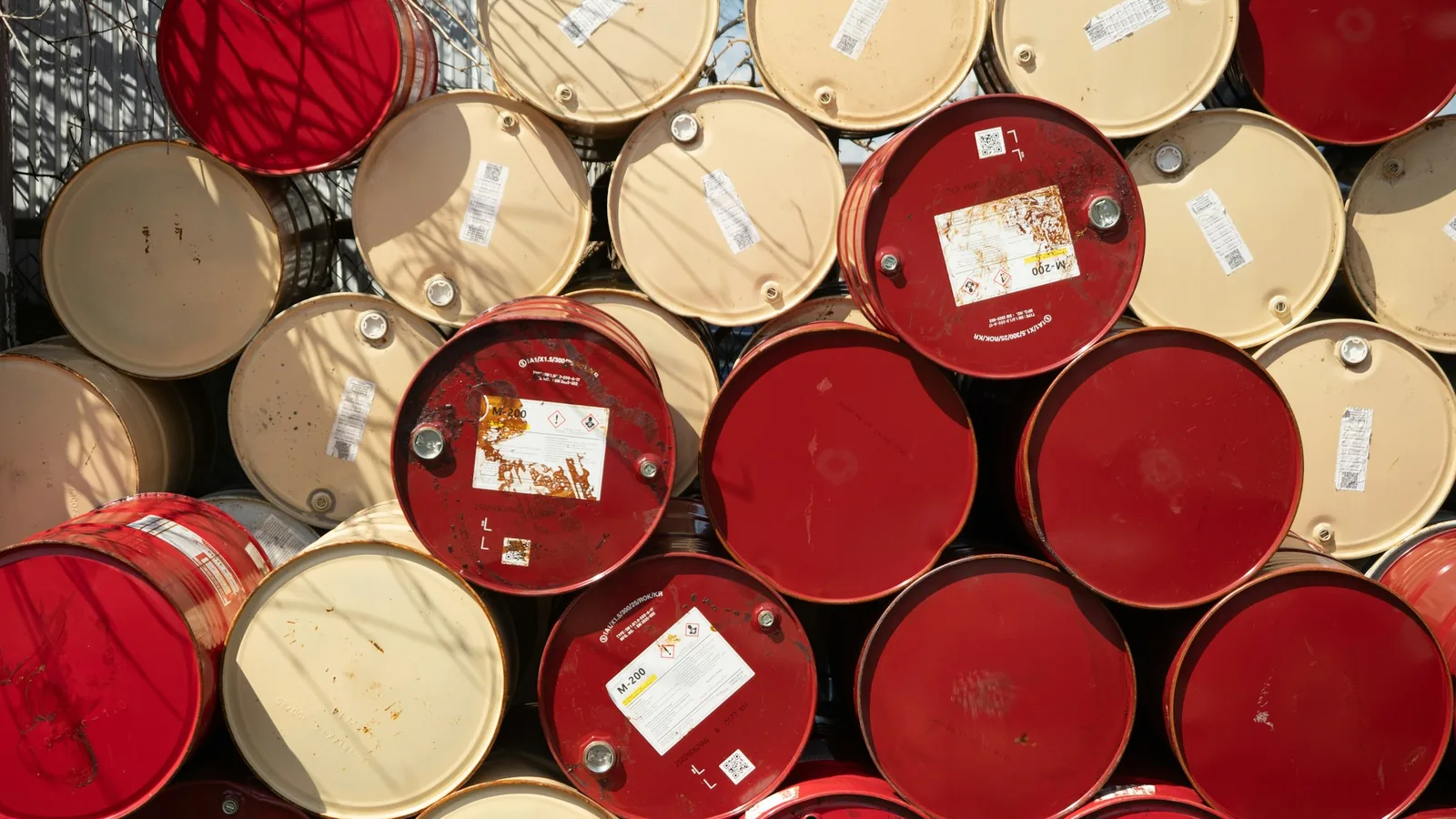
Two federal rules size the secondary containment under drums. The RCRA rule in 40 CFR 264.175 covers hazardous waste container storage areas, and the SPCC rule in 40 CFR 112 covers oil. Work out the required volume first, then compare spill containment pallets with a sump at least that large.
Apply the 10 percent or largest-container rule
40 CFR 264.175(b)(3) requires the containment system to have sufficient capacity to contain 10 percent of the volume of the containers or the volume of the largest container, whichever is greater. Containers that hold no free liquids are left out of the calculation.
| Drums | Total volume | 10 percent | Largest container | Required capacity |
|---|---|---|---|---|
| 1 | 55 gal | 5.5 gal | 55 gal | 55 gal |
| 4 | 220 gal | 22 gal | 55 gal | 55 gal |
| 10 | 550 gal | 55 gal | 55 gal | 55 gal |
| 12 | 660 gal | 66 gal | 55 gal | 66 gal |
Up to ten 55-gallon drums, the largest container governs. Above ten drums, the 10 percent rule governs. Two of the pallets in the spill pallet comparison list a 66-gallon sump.
Meet the rest of 264.175(b)
- Base. Free of cracks or gaps and sufficiently impervious to contain leaks, spills, and accumulated precipitation until the material is detected and removed, per (b)(1).
- Drainage. Sloped or otherwise designed to drain and remove liquids, unless the containers are elevated or otherwise protected from contact with accumulated liquid, per (b)(2). A pallet grate keeps drums above the sump.
- Run-on prevention. Prevented, unless the system has extra capacity for it, per (b)(4). Outdoors, rain counts.
- Removal. Spilled waste and precipitation removed from the sump in as timely a manner as needed to prevent overflow, per (b)(5).
Section 264.175 applies to permitted hazardous waste facilities. Generators accumulating waste on site follow 40 CFR 262 and should confirm which containment rules apply to them.
Know when SPCC applies.
The SPCC rule applies to a facility that could reasonably be expected to discharge oil to navigable waters, and that has an aggregate aboveground oil storage capacity above 1,320 U.S. gallons, per 40 CFR 112.1. Only containers of 55 gallons or more count toward that total, so twenty-four full drums of oil reach the threshold by themselves.
For bulk storage containers at an onshore facility, 40 CFR 112.8(c)(2) requires secondary containment for the entire capacity of the largest single container plus sufficient freeboard to contain precipitation. Indoors, freeboard for precipitation does not arise. Outdoors, it does, and you may need a covered pallet or a larger sump.
Separate incompatible materials
40 CFR 264.177 prohibits placing incompatible wastes, or incompatible wastes and materials, in the same container unless the precautions in 264.17(b) are met, and requires a container of hazardous waste that is incompatible with nearby materials to be separated or protected by a dike, berm, wall, or other device. A shared sump counts: a leak from one drum can reach the drum beside it. Keep acids, bases, oxidizers, and flammables on separate pallets.
Check what the pallet listing states.
- The sump capacity in gallons, not only the drum count.
- The load rating for full drums. A full 55-gallon drum of a liquid heavier than water weighs more than one of oil.
- Chemical compatibility of the sump material with what you store.
- Any stated regulatory references. Treat them as the manufacturer’s claim and confirm the sizing yourself.
Size the containment in four steps
- List each container at the storage point and its volume.
- Compute 10 percent of the total and find the largest container.
- Take the larger number, and add freeboard for precipitation if the area is outdoors and SPCC applies.
- Choose a pallet whose stated sump capacity meets or exceeds the result.
The spill containment pallet guide compares three UltraTech pallets on drum count, sump capacity, load rating, and dated Amazon price.