Blog · Arc flash · NFPA 70E
Select the Right Arc Flash PPE Category Based on Your NFPA 70E Assessment
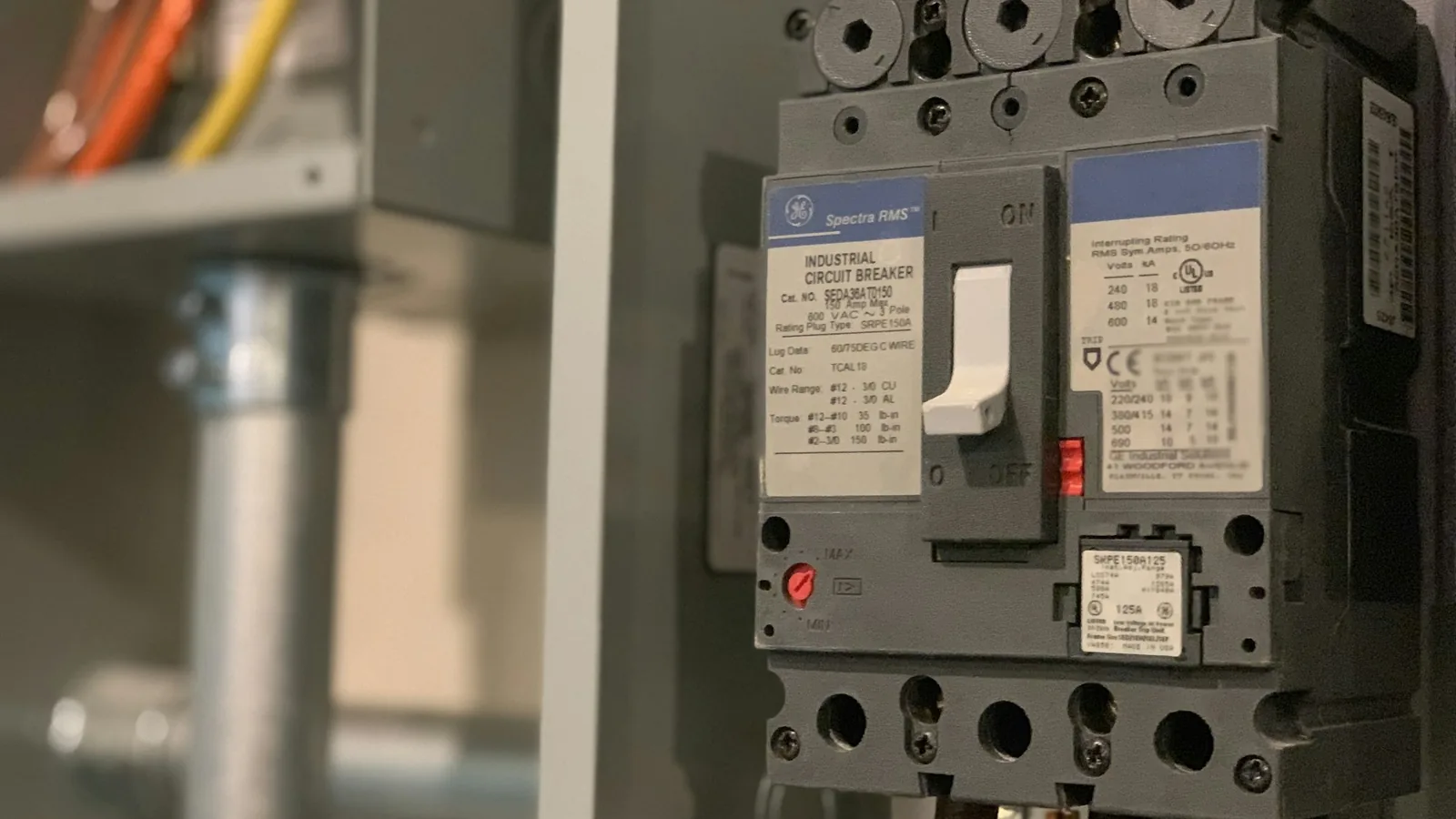
The arc flash PPE a qualified worker wears when working on energized equipment comes from one place: the arc flash risk assessment the employer performs under NFPA 70E, Section 130.5. The assessment determines whether an arc flash hazard exists, the likelihood and severity of injury, and the required protective measures, including PPE. Read the result on the equipment label, then compare 40 cal arc flash kits only if the label calls for Category 4.
Choose one method and stay with it on each piece of equipment
NFPA 70E 130.5(G) allows two ways to select arc flash PPE, and the standard does not permit using both on the same equipment.
| Method | What it produces | What you buy |
|---|---|---|
| Incident energy analysis | The calculated incident energy, in cal/cm², at a stated working distance | Arc-rated clothing with an arc rating at or above that number |
| Arc flash PPE category method | A PPE category from 1 to 4, taken from the standard’s tables for the equipment and task | The clothing and equipment the standard lists for that category |
The category method only applies when the equipment falls within the parameters of the tables, such as the available fault current and clearing time the tables assume. If the equipment falls outside them, an incident energy analysis is required.
Read the label before you open the door.
NFPA 70E 130.5(H) requires that electrical equipment likely to require examination, adjustment, servicing, or maintenance while energized be marked with a label. The label must display the nominal system voltage, the arc flash boundary, and at least one of the following:
- The available incident energy and the corresponding working distance, or the arc flash PPE category, but not both.
- The minimum arc rating of clothing.
- Site-specific level of PPE.
The label number drives the purchase. A label reading 8.2 cal/cm² at 18 inches calls for clothing rated at least 8.2 cal/cm². A label reading PPE Category 2 calls for the Category 2 PPE list in the standard.
Match the minimum arc rating to the category.
When you use the category method, each category has a minimum arc rating for arc-rated clothing.
| PPE category | Minimum arc rating |
|---|---|
| 1 | 4 cal/cm² |
| 2 | 8 cal/cm² |
| 3 | 25 cal/cm² |
| 4 | 40 cal/cm² |
Category 4 is the highest category in the tables. If an incident energy analysis returns a value above 40 cal/cm², a 40 cal suit does not cover the task, and the employer must reduce the energy or choose a different work method. The kits in the arc flash kit comparison list ratings of 40, 41, and 46 cal/cm².
Protect against shock separately.
Arc-rated clothing addresses the thermal energy of an arc. Shock protection is a separate requirement under the shock risk assessment in NFPA 70E 130.4 and requires voltage-rated rubber insulating gloves of the class appropriate for the voltage. A kit that includes gloves saves an order, but confirm that the glove class matches your equipment.
Connect the standard to OSHA’s requirements.
OSHA does not incorporate NFPA 70E by reference. Under 29 CFR 1910.132(d), employers must assess the workplace for hazards requiring PPE and document that assessment in writing. Section 1910.335(a)(1) requires protective equipment for employees exposed to potential electrical hazards. OSHA interpretation letters describe NFPA 70E as a consensus standard employers may use to help meet these requirements. OSHA does not approve PPE products.
Buy the kit after the assessment.
- Read the label on each piece of equipment the worker will service energized.
- Note the incident energy or PPE category, and confirm the method used.
- Choose clothing with an arc rating at or above the requirement, and gloves of the right class.
- Size the clothing to each worker, and inspect it before every use.
For Category 4 tasks, the arc flash kit guide compares three kits on arc rating, included components, and Amazon price.